
Publishing Scholarly Archaeology since 1997
Publishing Scholarly Archaeology since 1997
Log in | My Account | Basket Twitter Facebook LinkedIn
Advanced Search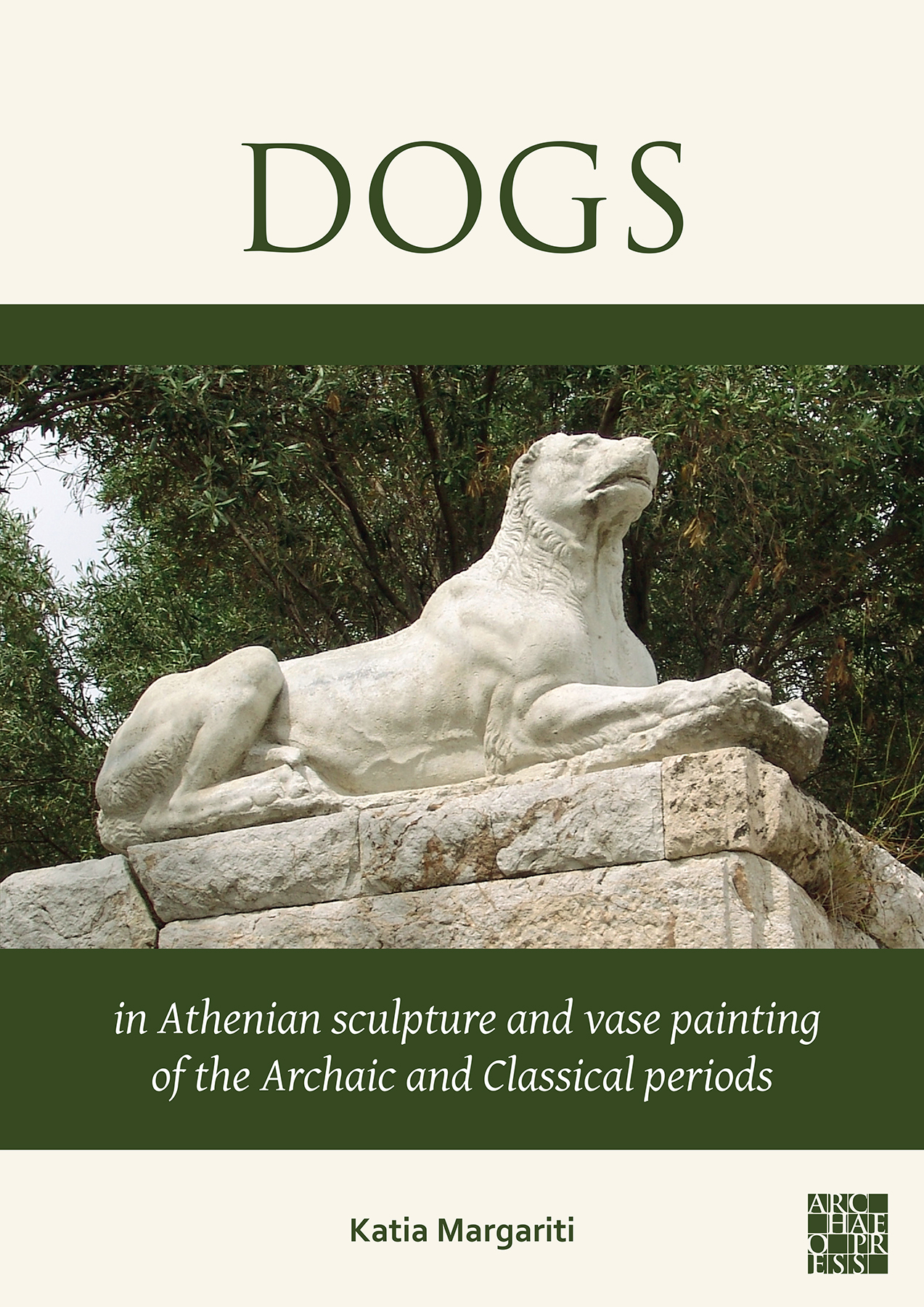
Download Sample PDF
H 290 x W 205 mm
422 pages
305 figures, 2 tables
Published May 2025
ISBN
Paperback: 9781803279978
Digital: 9781803279985
Keywords
Dogs; Athenian Art; Athenian Vases; Athenian Sculpture; Attic Funerary Reliefs; Canine Body Language; Iconography; Human-Animal Studies
Related titles
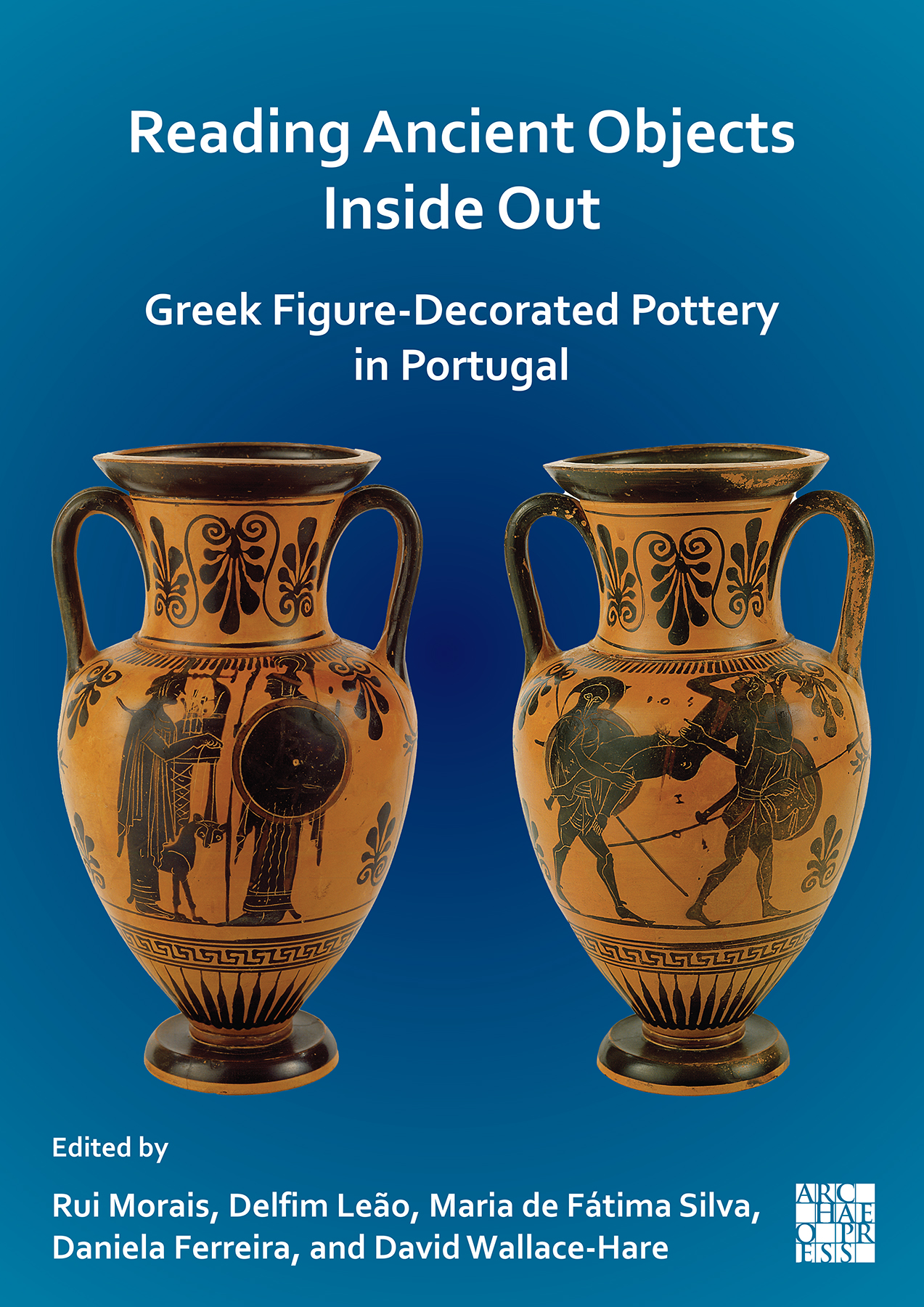
Dogs in Athenian Sculpture and Vase Painting of the Archaic and Classical Periods

Paperback
£65.00
Includes PDF
PDF eBook
(personal use)
£16.00
PDF eBook
(institutional use)
£65.00
 Add to wishlist
This book analyses the iconography of dogs in Athenian art, highlighting their roles as companions, hunters, pets, and status symbols. It explores their presence in various aspects of ancient Greek life, their association with gods and heroes, and their depiction in funerary reliefs, reflecting the deep human-canine bond.
Contents
Introduction
Chapter 1: The dog in Ancient Greece
Chapter 2: Depicting the dog in Athenian sculpture and vase painting
Chapter 3: Dogs in war
Chapter 4: Dogs in the hunt
Chapter 5: Dogs and horses, riders and chariots
Chapter 6: Dogs, athletics, music and education
Chapter 7: Dogs in the symposium and komos
Chapter 8: Dogs and eros
Chapter 9: Dogs and death
Chapter 10: Dogs and humans
Chapter 11: Dogs, deities and rituals
Chapter 12: Dogs of myth
Conclusions
Catalogue
References / Bibliography
Bibliographical Notes
Tables (I: breeds, II: Athenian dog names)
Graphs (1: Vase shapes, 2: Themes, 3: Vase painters)
Images
Index
About the Author
Katia Margariti has a PhD in Classical Archaeology and is a Research Associate of the Department of Classics of the University of Reading. Having published three books and peer-reviewed articles in leading academic journals, she is currently co-authoring two books and co-editing a conference proceedings volume. She is co-founder and administrator of the online group for the study of animals in Greco-Roman Antiquity (Zoa – Animals in Greco-Roman Antiquity), co-organizer of two major international conferences on animals in the ancient Mediterranean. Her research interests focus on Greek art and iconography with special emphasis on ancient Athens, funerary art (especially funerary sculpture) and animals in antiquity.
Reviews
‘In sum, Katia Margariti’s work is an essential study for anyone interested not only in dogs, but also in animals in the ancient world. It not only substantially enriches our understanding of the Athenian case but, thanks to its methodological approach, also stands as a model for future research in other geographical and cultural contexts. Far from being merely a catalogue of iconographic types and themes, the book approaches dogs as animals in their own right and even offers glimpses into the emotional bonds that may have developed between dogs and humans. For all these reasons, the volume rightfully takes its place within the fields of art history, cultural history, and the study of animals in Antiquity.’ [translated] – Sebastián Uribe Rodríguez (2026): Gerión, 44(1)
‘I confess to being a dog lover, so I am particularly partial to the subject of this book. Dogs, like horses, played an essential role in the lives of ancient Athenians, and this study does justice to their variety, their charm, and their lifelong loyalty to their owners.’ - Jenifer Neils (2026): American Journal of Archaeology Volume 130
‘Overall, Margariti has produced a book that is not only carefully crafted but also of high scientific quality. It addresses a large number of subjects: animal history, but also art history, iconography, studies on religion and society.
Indeed, this is one of the merits of approaching the past through animals: of course, it restores a place to long overlooked actors and renews reflection on many aspects of past societies. Such a book will show that this history is useful, even necessary.
Such are the major merits of this work, which is moreover abundantly illustrated throughout. It fully deserves its place in libraries and on the tables of researchers, and not only specialists in animal history.’ – Christophe Chandezon (2026): Bryn Mawr Classical Review
Archaeopress Publishing Ltd
First and Second Floor
13-14 Market Square
Bicester
Oxfordshire OX26 6AD
United Kingdom
Tel +44 (0) 1865 311914 | fax +44 (0) 1865 512231 | email info@archaeopress.com
